

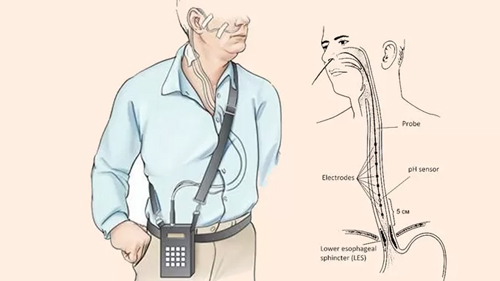
24-Hour pH Study
A 24-Hour pH Study is a specialized test used to measure acid exposure in the esophagus over an extended period. It helps assess whether symptoms are related to acid reflux and can provide objective information when gastroesophageal reflux disease (GERD) is suspected.
During the study, a thin sensing catheter is positioned through the nose into the esophagus and connected to a small recording device. The device records acid exposure over approximately 24 hours while the patient continues normal daily activities and documents relevant symptoms, meals and body position.
Dr. Suresh H. Pasiddhi has expertise in esophageal functional testing, including 24-hour pH study and impedance study, as part of comprehensive evaluation of gastrointestinal and esophageal disorders.
Conditions
A 24-Hour pH Study may help evaluate conditions and symptoms such as:
- Gastroesophageal Reflux Disease (GERD)
- Suspected acid reflux with persistent symptoms
- Reflux symptoms despite treatment
- Unexplained symptoms potentially related to acid exposure
- Assessment before selected anti-reflux procedures or surgery
- Objective evaluation of esophageal acid exposure when the diagnosis is uncertain
Symptoms
Your doctor may recommend a 24-Hour pH Study when symptoms suggest possible acid reflux, such as:
Common Symptoms
- Frequent heartburn or burning sensation behind the breastbone
- Acid or sour taste in the mouth
- Regurgitation of food or acidic fluid
- Persistent upper abdominal or chest discomfort
- Symptoms that worsen after meals or when lying down
- Persistent throat or cough symptoms suspected to be reflux-related
- Symptoms continuing despite acid-suppressing medication
Causes
Symptoms requiring objective reflux testing may be associated with several conditions, including:
- Frequent reflux of stomach contents into the esophagus
- Inadequate function of the lower esophageal sphincter
- Hiatal hernia contributing to reflux
- Increased esophageal exposure to gastric acid
- Persistent symptoms where the relationship with acid reflux is uncertain
Symptoms can have causes other than acid reflux. The pH study helps determine whether recorded symptoms are associated with abnormal acid exposure.
Treatment
A 24-Hour pH Study is a diagnostic test rather than a treatment. It provides objective information that can help the gastroenterologist decide on the most appropriate management.
Depending on the findings, further management may include:
- Review and optimization of acid-suppressing medication when appropriate
- Dietary and lifestyle measures for reflux management
- Further esophageal evaluation such as esophageal manometry when indicated
- Assessment for anti-reflux procedures in selected patients
- Additional investigation when symptoms are not explained by acid reflux
The interpretation of the study is considered together with symptoms, medical history and other investigations to guide individualized treatment.
Prevention & Follow-Up
Good preparation and accurate symptom recording help improve the usefulness of a 24-Hour pH Study. Follow the specific instructions provided by the treating gastroenterologist regarding medications and preparation before the test.
Helpful measures include:
- Follow the prescribed preparation and medication instructions before the study.
- Record meals, symptoms, sleep periods and relevant activities as instructed.
- Continue normal daily activities unless specifically advised otherwise.
- Attend the scheduled appointment for removal of the recording catheter and review of results.
- Follow the recommended treatment plan based on the test findings.
- Report persistent or worsening reflux symptoms during follow-up.
Follow-up depends on the results of the pH study and the patient's symptoms. Further evaluation or treatment may be recommended if significant acid exposure or another cause of symptoms is identified.