

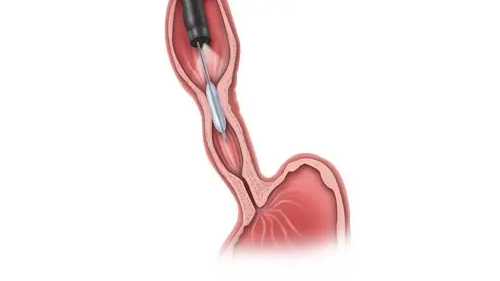
Esophageal, Pyloric & Colonic Dilatation
Esophageal, pyloric and colonic dilatation are endoscopic procedures used to gently widen narrowed areas of the gastrointestinal tract and improve the passage of food or intestinal contents.
A narrowing, also called a stricture or stenosis, can develop in different parts of the gastrointestinal tract and may cause swallowing difficulty, vomiting, abdominal discomfort or altered bowel passage. Dilatation is performed under endoscopic guidance using an appropriate technique and device selected according to the location and cause of the narrowing.
The goal is to improve the narrowed passage while carefully assessing the surrounding gastrointestinal lining and the underlying condition.
Conditions
Dilatation may be considered for selected gastrointestinal strictures or narrowing, including:
- Esophageal strictures causing difficulty in swallowing
- Pyloric narrowing causing impaired gastric emptying
- Colonic strictures causing difficulty with bowel passage
- Benign gastrointestinal strictures
- Post-treatment or post-procedural gastrointestinal narrowing
- Other suitable areas of luminal narrowing identified during gastrointestinal evaluation
Symptoms
Symptoms depend on the location and severity of the narrowing. Possible symptoms include:
Esophageal Symptoms
- Difficulty swallowing solid foods
- Progressive difficulty swallowing liquids
- Food sticking in the chest or throat
- Regurgitation of food or liquids
- Unexplained weight loss
Pyloric Symptoms
- Early fullness after eating
- Persistent nausea or vomiting
- Upper abdominal discomfort or bloating
- Reduced food intake
- Unintentional weight loss
Colonic Symptoms
- Constipation or difficulty passing stool
- Abdominal pain or cramping
- Abdominal bloating or distension
- Difficulty passing gas
- Changes in bowel habits
Causes
Gastrointestinal narrowing can occur for several reasons. The underlying cause is assessed before deciding on the most appropriate treatment.
- Inflammation and scarring of the gastrointestinal tract
- Peptic or other ulcer-related scarring
- Previous gastrointestinal surgery or procedures
- Post-treatment or anastomotic strictures
- Inflammatory bowel disease-related narrowing
- Other structural causes of gastrointestinal stenosis
Treatment
Dilatation is performed during endoscopy by carefully widening the narrowed segment with an appropriate dilating device. The technique and extent of dilatation are individualized according to the location, severity and cause of the stricture.
Depending on the patient's condition, treatment may include:
- Endoscopic esophageal dilatation
- Endoscopic pyloric dilatation
- Endoscopic colonic dilatation
- Gradual widening of the narrowed segment using an appropriate technique
- Endoscopic assessment of the underlying stricture
- Repeat dilatation when clinically required
- Additional treatment directed at the underlying cause
The number and timing of treatment sessions depend on the underlying condition, response to dilatation and the risk of recurrent narrowing.
Prevention & Follow-Up
Some strictures may recur even after successful dilatation. Managing the underlying cause and attending scheduled follow-up can help maintain the benefit of treatment and identify recurrent narrowing early.
Helpful measures include:
- Follow the treatment plan for the underlying gastrointestinal condition.
- Take prescribed medicines as directed.
- Follow dietary and eating recommendations provided after the procedure.
- Report recurrent swallowing difficulty, vomiting, abdominal pain or changes in bowel passage.
- Attend repeat endoscopy or dilatation sessions when advised.
- Seek prompt medical attention for severe pain, persistent vomiting, bleeding or symptoms of intestinal obstruction.
Follow-up is individualized based on the location and cause of the stricture, response to treatment and the possibility of recurrence.