

Foreign Body Removal
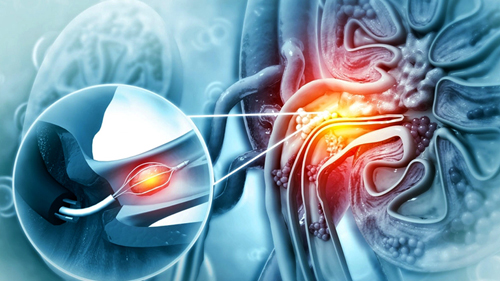
Endoscopic foreign body removal is a minimally invasive procedure used to safely identify and remove swallowed objects or food boluses that become lodged within the gastrointestinal tract.
Foreign bodies may become stuck in the esophagus, stomach or other accessible parts of the upper gastrointestinal tract. Depending on the object, its location and the patient's condition, endoscopy allows the gastroenterologist to directly visualize the foreign body and remove it using specialized endoscopic accessories.
Prompt assessment is particularly important when a foreign body causes swallowing difficulty, obstruction, bleeding, significant pain or other concerning symptoms.
Conditions
Endoscopic foreign body removal may be considered when an object or food bolus is retained within the gastrointestinal tract, including:
- Swallowed foreign bodies lodged in the esophagus
- Foreign bodies retained in the stomach
- Impacted food bolus causing esophageal obstruction
- Objects that cannot safely pass through the gastrointestinal tract on their own
- Selected cases requiring endoscopic retrieval after accidental ingestion
Symptoms
Symptoms depend on the type, size and location of the swallowed object. Possible symptoms include:
- Difficulty or inability to swallow
- Feeling that food or an object is stuck in the throat or chest
- Pain while swallowing
- Drooling or inability to handle saliva
- Chest, throat or abdominal discomfort
- Vomiting or retching
- Coughing or choking after ingestion
- Bleeding or blood-stained saliva or vomit
Causes
Foreign body retention usually occurs following accidental ingestion or food impaction. It can be more likely in the presence of swallowing difficulties or narrowing of the gastrointestinal tract.
- Accidental swallowing of non-food objects
- Food bolus impaction
- Eating large or poorly chewed pieces of food
- Underlying esophageal narrowing or stricture
- Other structural or swallowing-related problems
Treatment
Endoscopic removal involves passing an endoscope to locate the foreign body and using appropriate retrieval accessories to remove it as safely as possible. The technique is selected according to the object's size, shape, location and characteristics.
Endoscopic management may include:
- Direct endoscopic identification of the foreign body
- Removal using suitable retrieval devices
- Careful extraction of sharp or irregular objects when appropriate
- Removal of impacted food bolus when clinically indicated
- Assessment of the gastrointestinal lining after removal
- Evaluation for an underlying narrowing or other cause when appropriate
The urgency and approach depend on the nature and location of the foreign body and the patient's symptoms. Some ingested objects may require urgent endoscopic management.
Prevention & Follow-Up
After foreign body removal, follow-up depends on the object involved, the condition of the gastrointestinal tract and whether an underlying swallowing disorder or narrowing is identified.
Helpful measures include:
- Chew food thoroughly and eat slowly.
- Take extra care with foods that are difficult to chew or swallow.
- Keep small objects away from young children.
- Follow medical advice if an underlying esophageal narrowing or swallowing problem is identified.
- Report persistent swallowing difficulty, pain, vomiting or bleeding after the procedure.
- Attend recommended follow-up if recurrent food impaction or swallowing difficulty occurs.
If a swallowed object causes difficulty breathing, severe choking, inability to swallow saliva or significant pain, urgent medical evaluation is required.