

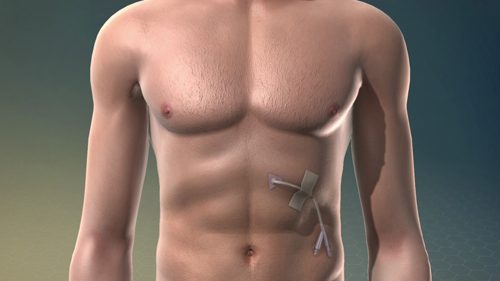
PEG (Percutaneous Endoscopic Gastrostomy)
Percutaneous Endoscopic Gastrostomy (PEG) is a minimally invasive procedure used to place a feeding tube directly into the stomach through the abdominal wall when adequate nutrition or fluids cannot be taken safely by mouth.
PEG placement is performed using an endoscope to identify a suitable area of the stomach before the feeding tube is positioned. It can provide a practical route for enteral nutrition in selected patients who have difficulty swallowing or are unable to maintain adequate oral intake.
The need for PEG is assessed individually, taking into account the underlying condition, nutritional requirements, swallowing ability and overall clinical status.
Conditions
PEG may be considered for selected patients who require longer-term enteral feeding, including those with:
- Difficulty swallowing due to neurological or other medical conditions
- Conditions associated with inadequate oral nutritional intake
- Prolonged inability to take sufficient nutrition by mouth
- Selected patients requiring long-term enteral nutrition
- Other clinical situations where a direct gastric feeding route is considered appropriate
Symptoms
Patients who may require assessment for PEG can have symptoms or difficulties related to inadequate oral intake, such as:
- Difficulty swallowing food or liquids
- Repeated choking or coughing while eating
- Inability to consume adequate food or fluids orally
- Unintentional weight loss or poor nutritional intake
- Fatigue or weakness associated with inadequate nutrition
- Need for prolonged nutritional support
Causes
The need for a PEG feeding route is usually related to an underlying condition that makes swallowing unsafe or makes it difficult to maintain adequate nutrition by mouth.
- Neurological disorders affecting swallowing
- Conditions causing persistent swallowing impairment
- Severe or prolonged difficulty maintaining oral nutritional intake
- Medical conditions requiring longer-term enteral nutritional support
- Other conditions where oral feeding is insufficient or unsafe
Treatment
During PEG placement, an endoscope is passed into the stomach to identify a suitable site. A feeding tube is then introduced through the abdominal wall into the stomach and secured in position.
PEG care and management may include:
- Pre-procedure assessment and nutritional evaluation
- Endoscopic identification of an appropriate gastric site
- Placement and secure positioning of the PEG tube
- Guidance on feeding and hydration through the tube
- Education regarding tube-site care and hygiene
- Monitoring for tube-related problems and complications
- Tube replacement or further management when clinically required
The timing of feeding after the procedure and the type and amount of nutrition are determined according to the patient's clinical condition and the treating team's recommendations.
Prevention & Follow-Up
Proper tube care and regular follow-up are important to maintain safe and effective feeding and to identify problems at the PEG site early.
Helpful measures include:
- Keep the tube and surrounding skin clean as instructed.
- Follow the prescribed feeding and hydration plan.
- Flush the tube as advised to help maintain tube patency.
- Monitor the tube site for redness, swelling, discharge or increasing pain.
- Report persistent vomiting, abdominal pain, fever or feeding difficulties.
- Attend scheduled follow-up for tube assessment and nutritional review.
- Seek prompt medical attention if the tube becomes displaced, blocked or damaged.
Ongoing care is individualized according to the patient's nutritional needs, underlying condition and PEG tube status.