

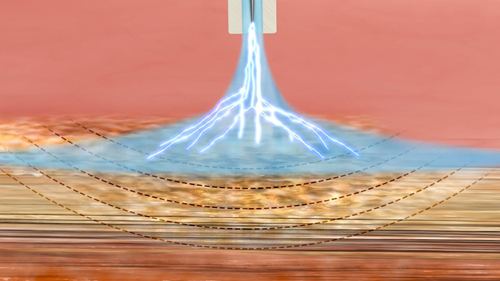
APC (Argon Plasma Coagulation)
Argon Plasma Coagulation (APC) is a non-contact endoscopic technique that uses ionized argon gas to deliver controlled thermal energy to selected areas of gastrointestinal tissue.
APC can be used during endoscopy to control bleeding from suitable superficial lesions and to treat selected abnormal gastrointestinal tissue. The technique allows controlled coagulation without direct contact between the treatment device and the tissue.
Dr. Suresh H. Pasiddhi has documented expertise in Argon Plasma Coagulation as part of his therapeutic endoscopic practice.
Conditions
APC may be considered for selected gastrointestinal conditions where controlled endoscopic coagulation is appropriate, including:
- Selected gastrointestinal bleeding lesions
- Superficial vascular lesions
- Selected radiation-related gastrointestinal bleeding
- Selected superficial abnormal gastrointestinal tissue
- Other suitable lesions requiring endoscopic coagulation
Symptoms
Symptoms depend on the underlying gastrointestinal condition. When bleeding is present, possible warning signs may include:
- Blood in the stool
- Black, tarry stools
- Vomiting blood or blood-stained material
- Unexplained weakness or fatigue
- Dizziness or light-headedness
- Pale skin or symptoms associated with anemia
- Unexplained drop in hemoglobin
Significant or ongoing gastrointestinal bleeding requires prompt medical evaluation.
Causes
The underlying cause and appearance of a gastrointestinal lesion help determine whether APC is an appropriate treatment option.
- Superficial vascular abnormalities
- Selected radiation-induced mucosal changes
- Bleeding from suitable superficial gastrointestinal lesions
- Selected abnormal or unwanted superficial tissue
- Other endoscopically accessible lesions suitable for coagulation
Treatment
During endoscopy, the APC probe is positioned close to the target area without directly touching the tissue. Ionized argon gas carries controlled thermal energy to the selected site, producing superficial coagulation.
Depending on the clinical situation, treatment may include:
- Targeted APC treatment of suitable gastrointestinal lesions
- Endoscopic control of selected bleeding lesions
- Treatment of superficial vascular abnormalities
- Repeat APC sessions when clinically indicated
- Combination with other endoscopic or medical treatments when required
- Further specialist management based on the underlying condition
The treatment approach depends on the location, size, appearance and cause of the lesion and the patient's overall clinical condition.
Prevention & Follow-Up
Prevention of recurrent bleeding or lesions depends on identifying and managing the underlying condition. Appropriate follow-up helps assess treatment response and determine whether further therapy is required.
Helpful measures include:
- Follow your gastroenterologist's recommended treatment and follow-up schedule.
- Take prescribed medicines regularly and only as directed.
- Follow medical advice for any underlying gastrointestinal or liver condition.
- Report recurrent blood in the stool, black stools or other signs of gastrointestinal bleeding.
- Attend recommended follow-up endoscopy when advised.
- Follow dietary and lifestyle recommendations provided by your treating doctor.
Follow-up requirements vary according to the underlying condition, response to APC treatment and the patient's individual needs.