

Biliary & Pancreatic ERCP – Diagnostic & Therapeutic
Endoscopic Retrograde Cholangiopancreatography (ERCP) is an advanced endoscopic procedure used to diagnose and treat selected conditions affecting the bile ducts and pancreatic duct.
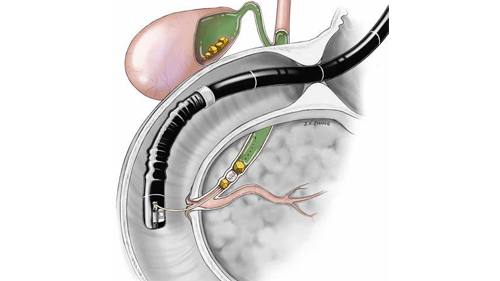
During ERCP, an endoscope is passed through the mouth into the small intestine, where the openings of the bile and pancreatic ducts are identified. Contrast imaging and specialized endoscopic techniques can then be used to evaluate ductal abnormalities and perform targeted treatment when required.
ERCP is primarily a therapeutic procedure and is used selectively when an intervention on the biliary or pancreatic ducts is needed. Dr. Suresh H. Pasiddhi has documented expertise in biliary and pancreatic diagnostic and therapeutic ERCP, including difficult ERCPs, ductal dilatation, stone or stent removal and biliary and pancreatic stenting.
Conditions
ERCP may be considered for selected biliary and pancreatic duct conditions, including:
- Common bile duct (CBD) stones
- Bile duct obstruction or narrowing
- Benign or malignant biliary strictures
- Pancreatic duct stones or strictures in selected cases
- Biliary or pancreatic duct leaks
- Conditions requiring biliary or pancreatic stent placement
- Difficult or complex biliary and pancreatic duct interventions
Symptoms
Symptoms that may indicate a biliary or pancreatic duct problem and require further evaluation can include:
- Yellowing of the eyes or skin (jaundice)
- Upper abdominal pain, particularly in the right upper abdomen
- Abdominal pain radiating toward the back
- Dark urine or pale stools
- Fever or chills associated with biliary infection
- Nausea or vomiting
- Abnormal liver or pancreatic blood tests
Causes
Bile duct and pancreatic duct obstruction or narrowing can occur due to different conditions. Appropriate imaging and clinical assessment help determine the cause before or during therapeutic planning.
- Gallstones that migrate into the common bile duct
- Benign biliary or pancreatic duct strictures
- Inflammatory changes associated with pancreatitis or other ductal disease
- Pancreatic, bile duct or other nearby tumors causing obstruction
- Post-surgical or post-procedural ductal narrowing or leaks
- Other structural abnormalities of the biliary or pancreatic ducts
Treatment
ERCP combines endoscopy with X-ray imaging to access the bile and pancreatic ducts. Once the ductal problem is identified, specialized accessories can be used to provide targeted treatment.
Depending on the patient's condition, therapeutic ERCP may include:
- Diagnostic evaluation of the biliary and pancreatic ducts
- Removal of common bile duct stones
- Removal of selected pancreatic duct stones
- Biliary or pancreatic sphincterotomy when indicated
- Bile duct or pancreatic duct dilatation
- Biliary or pancreatic plastic stent placement
- Biliary metal stent placement in selected cases
- Removal or exchange of biliary and pancreatic stents
- Management of selected difficult or complex ERCP cases
The exact ERCP technique is selected according to the location and cause of the ductal abnormality, previous procedures, imaging findings and the patient's overall clinical condition.
Prevention & Follow-Up
Follow-up after ERCP depends on the underlying condition and whether stone removal, dilatation or stent placement was performed.
Helpful measures include:
- Follow the diet, medication and activity instructions provided after ERCP.
- Take prescribed medicines as directed.
- Attend scheduled follow-up, particularly when a temporary stent has been placed.
- Complete recommended blood tests or imaging to assess treatment response.
- Follow the advised schedule for stent removal or exchange when applicable.
- Report severe or persistent abdominal pain, fever, jaundice, repeated vomiting or significant bleeding promptly.
Timely follow-up is especially important for patients with biliary or pancreatic stents because some stents require planned removal or exchange.