

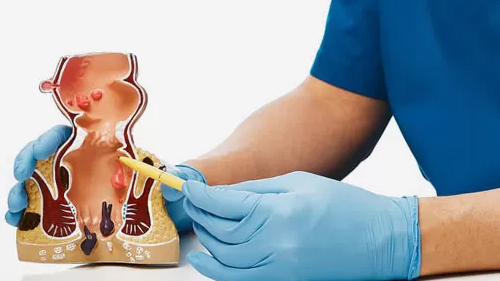
Anorectal Manometry
Anorectal Manometry is a specialized diagnostic test used to assess the pressure, strength and coordination of the muscles and nerves involved in bowel movements. It can help evaluate disorders affecting bowel control, stool passage and anorectal function.
During the test, a small flexible catheter with pressure sensors is gently placed into the rectum. The measurements obtained during different maneuvers help assess the function of the anal sphincter and the coordination between the rectum and pelvic floor muscles.
Dr. Suresh H. Pasiddhi has expertise in anorectal manometry and related gastrointestinal motility evaluation, helping in the assessment of selected anorectal functional disorders.
Conditions
Anorectal manometry may help evaluate functional anorectal disorders, including:
- Chronic constipation and difficulty passing stools
- Fecal incontinence or reduced bowel control
- Suspected pelvic floor dysfunction
- Dyssynergic defecation
- Disorders of anal sphincter function
- Persistent difficulty with bowel evacuation
- Selected anorectal disorders requiring functional assessment
Symptoms
Your doctor may recommend anorectal manometry when you experience persistent or unexplained bowel-related symptoms, such as:
Constipation & Evacuation Symptoms
- Chronic constipation
- Excessive straining during bowel movements
- A feeling of incomplete bowel evacuation
- Difficulty passing stool despite the urge to defecate
- Repeated need for manual assistance to pass stool
Bowel Control Symptoms
- Accidental leakage of stool
- Urgency or difficulty controlling bowel movements
- Reduced awareness of rectal fullness
- Changes in bowel control following anorectal or pelvic procedures
Causes
Anorectal functional symptoms can have different causes. Depending on the individual patient, these may include:
- Pelvic floor muscle coordination problems
- Weakness or impaired function of the anal sphincter
- Dyssynergic defecation
- Nerve or muscle dysfunction affecting bowel control
- Changes following pelvic, colorectal or anorectal procedures
- Chronic constipation associated with impaired evacuation
- Other functional anorectal disorders
Treatment
Anorectal manometry is primarily a diagnostic test and does not itself treat the underlying condition. The results can help guide an individualized treatment plan.
Depending on the findings, management may include:
- Dietary and lifestyle modifications
- Appropriate treatment for chronic constipation
- Pelvic floor rehabilitation
- Biofeedback therapy for selected patients with defecatory disorders
- Management strategies for fecal incontinence
- Further evaluation or specialist referral when clinically required
The appropriate treatment depends on the manometry findings, symptoms, medical history and any associated gastrointestinal or pelvic floor condition.
Prevention & Follow-Up
Good bowel habits and appropriate management of underlying conditions can help support healthy anorectal function.
Helpful measures include:
- Maintain adequate fluid intake unless medically restricted.
- Follow a suitable fiber-rich diet when appropriate.
- Maintain regular physical activity.
- Avoid prolonged or excessive straining during bowel movements.
- Follow the treatment plan recommended for constipation or bowel control problems.
- Complete pelvic floor or biofeedback therapy when advised.
- Attend follow-up appointments if symptoms persist or recur.
Follow-up is based on the underlying condition and response to treatment. Anorectal manometry findings may be used alongside clinical assessment and other investigations to guide ongoing management.