

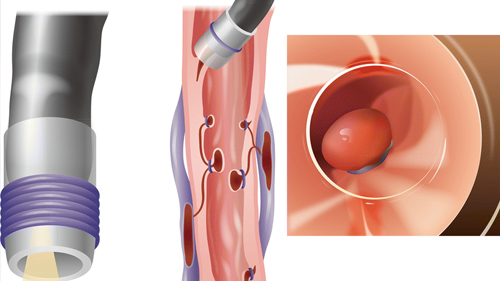
EVL (Endoscopic Variceal Ligation)
Endoscopic Variceal Ligation (EVL) is a minimally invasive endoscopic procedure used to treat esophageal varices, which are enlarged veins in the esophagus that may bleed.
During EVL, small elastic bands are placed around suitable esophageal varices through an endoscope. The bands restrict blood flow to the treated varices, helping control active bleeding or reduce the risk of future variceal bleeding.
Dr. Suresh H. Pasiddhi has expertise in Endoscopic Variceal Ligation as part of his therapeutic endoscopic practice.
Conditions
EVL may be recommended for selected patients with esophageal varices, particularly when there is a significant risk of bleeding or when variceal bleeding has occurred.
- Esophageal varices
- Bleeding esophageal varices
- High-risk esophageal varices
- Esophageal varices associated with portal hypertension
- Selected patients requiring prevention of recurrent variceal bleeding
Symptoms
Esophageal varices may not cause symptoms until bleeding occurs. Possible warning signs of gastrointestinal bleeding include:
- Vomiting blood or blood-stained material
- Black, tarry stools
- Fresh blood in the stool in some cases
- Dizziness or light-headedness
- Weakness or unusual fatigue
- Pale skin or symptoms related to blood loss
- Fainting or severe weakness with significant bleeding
Vomiting blood or passing black, tarry stools can indicate significant gastrointestinal bleeding and requires urgent medical assessment.
Causes
Esophageal varices usually develop when increased pressure in the portal venous system causes blood to be redirected through smaller veins in the esophagus, making them enlarged and fragile.
Common underlying causes and risk factors include:
- Liver cirrhosis
- Chronic liver disease
- Portal hypertension
- Portal vein obstruction or thrombosis
- Other conditions associated with increased portal venous pressure
Treatment
During EVL, an endoscope is carefully guided into the esophagus to identify the varices. A specialized banding device is then used to place small elastic bands around suitable varices.
Depending on the patient's condition, treatment may include:
- Endoscopic variceal ligation of suitable esophageal varices
- Endoscopic management of active variceal bleeding
- Repeat EVL sessions when recommended
- Medicines and supportive treatment as advised
- Management of the underlying liver disease and portal hypertension
- Additional specialist intervention when clinically required
The appropriate treatment plan depends on whether the varices are bleeding, their size and appearance, the underlying liver condition and the patient's overall health.
Prevention & Follow-Up
Patients with esophageal varices require appropriate follow-up because varices can recur or remain at risk of bleeding. Managing the underlying liver disease and attending scheduled reviews are important parts of care.
Helpful measures include:
- Follow your gastroenterologist's recommended endoscopy and follow-up schedule.
- Take prescribed medicines regularly and only as directed.
- Follow medical advice for managing chronic liver disease and portal hypertension.
- Avoid alcohol when advised as part of liver disease management.
- Discuss all medicines, including painkillers and over-the-counter products, with your doctor when appropriate.
- Seek urgent medical attention for vomiting blood, black stools, severe dizziness or fainting.
Follow-up after EVL may include repeat endoscopic assessment and additional treatment sessions when recommended by the treating gastroenterologist.