

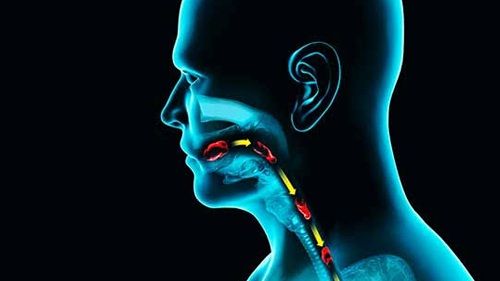
Esophageal Manometry
Esophageal Manometry is a specialized test used to evaluate the movement and pressure of the esophagus during swallowing. It helps assess how effectively the esophageal muscles and lower esophageal sphincter are working and can assist in diagnosing swallowing and motility disorders.
During the test, a thin pressure-sensitive catheter is gently passed through the nose into the esophagus. The device records pressure changes as the patient swallows small amounts of water, providing detailed information about esophageal muscle contractions and sphincter function.
Dr. Suresh H. Pasiddhi has expertise in esophageal functional testing, including esophageal manometry, as part of comprehensive evaluation of gastrointestinal and esophageal disorders.
Conditions
Esophageal Manometry may help evaluate or diagnose a range of swallowing and esophageal motility conditions, including:
- Achalasia and other esophageal motility disorders
- Difficulty swallowing (dysphagia) without an obvious structural cause
- Esophageal spasms and abnormal contractions
- Disorders of the lower esophageal sphincter
- Evaluation of unexplained chest pain of possible esophageal origin
- Assessment of esophageal function before selected anti-reflux procedures
- Evaluation of persistent symptoms when routine endoscopy does not identify the cause
Symptoms
Your doctor may recommend Esophageal Manometry when you experience persistent or unexplained symptoms such as:
Common Symptoms
- Difficulty swallowing food or liquids
- Feeling that food is getting stuck in the chest
- Pain or discomfort while swallowing
- Unexplained chest pain
- Regurgitation of food or fluids
- Persistent symptoms despite normal upper GI endoscopy
- Persistent reflux-related symptoms requiring further functional evaluation
Causes
Symptoms requiring esophageal motility testing may be associated with several underlying causes, including:
- Abnormal relaxation or function of the lower esophageal sphincter
- Impaired coordination of esophageal muscle contractions
- Esophageal motility disorders such as achalasia or spastic disorders
- Changes in esophageal function associated with other gastrointestinal conditions
- Functional symptoms where structural abnormalities have not explained the patient's symptoms
The underlying cause of swallowing or chest symptoms can vary. Esophageal Manometry provides objective information about esophageal pressure and muscle function to support an appropriate diagnosis.
Treatment
Esophageal Manometry is a diagnostic test rather than a treatment. The results help the gastroenterologist understand how the esophagus and its sphincters are functioning and guide further management.
Depending on the findings, further management may include:
- Medical treatment for selected esophageal motility disorders
- Dietary and swallowing-related advice where appropriate
- Further evaluation with upper GI endoscopy or other investigations when indicated
- Endoscopic treatment for selected disorders such as achalasia
- Surgical or other specialist treatment in appropriately selected patients
- Additional reflux testing such as 24-hour pH study or impedance study when required
The appropriate treatment depends on the manometry findings, symptoms, clinical history and results of other investigations.
Prevention & Follow-Up
Good preparation and accurate reporting of symptoms help ensure useful manometry results. Follow the specific preparation instructions provided by the treating gastroenterologist before the test.
Helpful measures include:
- Follow the prescribed fasting and medication instructions before the test.
- Inform your doctor about current medicines and relevant medical conditions.
- Attend the scheduled appointment for completion and review of the study.
- Discuss persistent swallowing, chest or reflux symptoms during follow-up.
- Follow the recommended treatment plan based on the test findings.
- Complete additional investigations or specialist consultations when advised.
Follow-up depends on the manometry findings and the patient's symptoms. Further evaluation or treatment may be recommended when an esophageal motility disorder or another cause of symptoms is identified.