

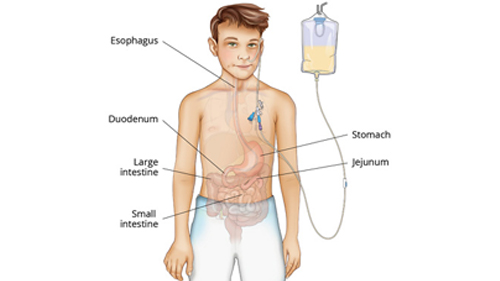
NJ Insertion (Nasojejunal Insertion)
Nasojejunal (NJ) insertion is a procedure in which a soft feeding tube is passed through the nose, stomach and into the jejunum, the second part of the small intestine, to provide nutrition or medication when feeding directly into the stomach is not suitable.
An NJ tube provides a route for enteral nutrition beyond the stomach. It may be useful when gastric feeding is poorly tolerated or when the clinical condition requires feeding into the small intestine. The tube can be positioned with appropriate endoscopic or other image-guided techniques depending on the patient's clinical needs.
The decision to use NJ feeding is individualized according to the underlying condition, nutritional requirements, swallowing ability, stomach function and overall clinical status.
Conditions
NJ insertion may be considered for selected patients who require small-bowel enteral feeding, including those with:
- Difficulty taking adequate nutrition by mouth
- Poor tolerance of gastric feeding
- Conditions requiring feeding beyond the stomach
- Selected patients with impaired gastric emptying
- Patients who require temporary post-pyloric enteral nutrition
- Other clinical situations where jejunal feeding is considered appropriate
Symptoms
Patients who may require NJ feeding can have symptoms or difficulties related to inadequate oral intake or poor gastric feeding tolerance, such as:
- Difficulty swallowing food or liquids
- Persistent nausea or vomiting
- Abdominal fullness or discomfort with gastric feeding
- Inability to maintain adequate nutritional intake
- Unintentional weight loss or nutritional decline
- Need for nutritional support during recovery from illness
Causes
The need for an NJ tube is generally related to an underlying condition that prevents adequate oral nutrition or makes feeding into the stomach difficult or poorly tolerated.
- Swallowing impairment or inability to take adequate food orally
- Delayed or impaired gastric emptying
- Persistent vomiting or poor tolerance of gastric feeding
- Medical conditions requiring post-pyloric nutritional support
- Need for temporary enteral nutrition during recovery
Treatment
NJ insertion involves carefully passing a soft tube through the nose and stomach into the jejunum. The tube is positioned using an appropriate technique and its placement is confirmed before feeding is started.
NJ tube management may include:
- Assessment of nutritional requirements and suitability for jejunal feeding
- Insertion of the nasojejunal feeding tube
- Endoscopic guidance when required for appropriate positioning
- Confirmation of tube position before use
- Gradual initiation and adjustment of enteral feeding
- Medication administration through the tube when appropriate
- Monitoring of feeding tolerance and tube function
The feeding formula, rate and duration are individualized according to the patient's nutritional needs, underlying condition and tolerance.
Prevention & Follow-Up
Proper tube care and regular monitoring help maintain safe and effective NJ feeding and reduce the risk of tube blockage, displacement or feeding-related problems.
Helpful measures include:
- Follow the prescribed feeding and hydration plan.
- Flush the tube as instructed to help maintain tube patency.
- Keep the nasal area and tube clean as advised.
- Monitor for nausea, vomiting, abdominal discomfort or feeding intolerance.
- Report coughing, breathing difficulty or suspected tube displacement promptly.
- Do not attempt to reposition a displaced tube without medical guidance.
- Attend follow-up for nutritional review and tube assessment when advised.
NJ tubes are often used as a temporary feeding route, with the duration determined by the patient's recovery, nutritional needs and underlying condition.