

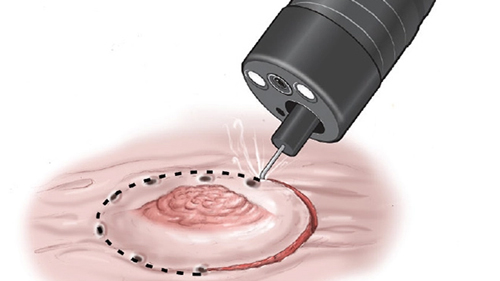
ESD (Endoscopic Submucosal Dissection)
Endoscopic Submucosal Dissection (ESD) is an advanced endoscopic procedure used to remove selected superficial gastrointestinal lesions in a single piece. It allows precise removal of abnormal tissue while preserving the surrounding digestive tract and can be an alternative to surgery in appropriately selected cases.
During ESD, the lesion is carefully assessed and separated from the deeper layers of the gastrointestinal wall using specialized endoscopic instruments. The technique allows removal of larger or more complex superficial lesions that may not be suitable for conventional polypectomy or standard endoscopic mucosal resection.
Dr. Suresh H. Pasiddhi has an area of interest in Third-Space Endoscopy, including advanced procedures such as ESD, for selected gastrointestinal lesions.
Conditions
ESD may be considered for selected superficial gastrointestinal lesions, including:
- Selected early gastrointestinal cancers
- Superficial esophageal lesions
- Superficial gastric lesions
- Selected superficial colorectal lesions
- Large or complex lesions not suitable for conventional polypectomy
- Selected lesions requiring en bloc removal for accurate histopathological assessment
Symptoms
Superficial gastrointestinal lesions may cause no symptoms and can sometimes be detected during routine or diagnostic endoscopy. When symptoms are present, they may include:
Possible Symptoms
- Difficulty or discomfort while swallowing for upper gastrointestinal lesions
- Upper abdominal discomfort or indigestion
- Unexplained weight loss
- Gastrointestinal bleeding or blood in the stool
- Changes in bowel habits for colorectal lesions
- Iron-deficiency anemia due to occult gastrointestinal blood loss
- No symptoms, with the lesion identified incidentally during endoscopy
Causes
The gastrointestinal lesions treated with ESD can develop due to different underlying factors, depending on their location and pathology:
- Development of precancerous or early cancerous changes in the gastrointestinal lining
- Abnormal growth of gastrointestinal mucosal cells
- Long-standing cellular changes associated with certain gastrointestinal conditions
- Lesions identified during screening or diagnostic endoscopy
- Previously biopsied or partially treated lesions requiring definitive endoscopic removal
Treatment
ESD is performed using a specialized endoscope under appropriate sedation or anesthesia. The lesion is carefully marked, the submucosal layer is accessed and the abnormal tissue is dissected from the deeper layers before complete removal.
Depending on the lesion and its location, treatment may include:
- Detailed endoscopic assessment and delineation of the lesion
- Submucosal injection to separate the lesion from deeper tissue layers
- Precise endoscopic dissection of the submucosal plane
- En bloc removal of suitable lesions
- Retrieval of the specimen for detailed histopathological examination
- Endoscopic control of bleeding when required
- Assessment of the resection site after removal
The suitability of ESD depends on the size, location, depth and characteristics of the lesion, as well as the overall clinical condition. Histopathology after removal helps determine whether further treatment or surveillance is required.
Prevention & Follow-Up
Regular follow-up after ESD is important to assess healing, review the final histopathology and monitor for any residual or recurrent lesion.
Helpful measures include:
- Follow the preparation and medication instructions provided before and after the procedure.
- Attend scheduled follow-up appointments to review the histopathology report.
- Undergo follow-up endoscopy when recommended to assess the treatment site.
- Complete additional imaging or investigations if advised based on the pathology findings.
- Follow dietary and activity recommendations during the recovery period.
- Seek prompt medical attention for severe abdominal or chest pain, fever, vomiting, significant bleeding or other concerning symptoms after the procedure.
Surveillance after ESD is individualized according to the lesion type, histopathology, completeness of removal and other clinical factors. Some patients may require additional endoscopic treatment or specialist evaluation based on the final findings.