

Piles Banding
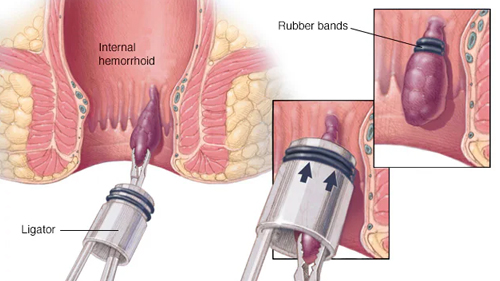
Piles banding, also known as rubber band ligation, is a minimally invasive treatment for selected internal hemorrhoids. A small rubber band is placed around the base of the hemorrhoid to reduce its blood supply, allowing the treated tissue to shrink and eventually separate.
The procedure is performed through an anoscope or suitable endoscopic equipment, allowing the hemorrhoid to be clearly identified before the band is positioned. It is generally used for suitable internal hemorrhoids and can often be performed as a short outpatient procedure.
The need for banding and the number of hemorrhoids treated at a session depend on the severity of symptoms, hemorrhoid grade and the overall clinical assessment.
Conditions
Piles banding may be considered for selected patients with internal hemorrhoids, particularly when symptoms persist despite conservative measures.
- Symptomatic internal hemorrhoids
- Bleeding associated with internal piles
- Internal hemorrhoids causing prolapse or discomfort
- Selected hemorrhoids that have not improved adequately with lifestyle and medical measures
- Suitable hemorrhoid grades where rubber band ligation is clinically appropriate
Symptoms
Common symptoms of hemorrhoids that may lead to evaluation for banding include:
- Bright red bleeding during or after bowel movements
- Prolapse of hemorrhoidal tissue during straining
- Anal or rectal discomfort
- Itching or irritation around the anus
- A feeling of incomplete bowel evacuation
- Soiling or mucus discharge in some patients
Causes
Hemorrhoids develop when the normal blood vessels and supporting tissues in the anal canal become enlarged or displaced. Several factors can contribute to their development or worsening.
- Chronic constipation and straining during bowel movements
- Frequent or prolonged sitting on the toilet
- Low dietary fiber intake
- Persistent diarrhea or irregular bowel habits
- Pregnancy and increased pressure in the pelvic region
- Other factors that increase pressure around the anal and rectal veins
Treatment
During rubber band ligation, the internal hemorrhoid is identified and a small elastic band is placed around its base. This limits blood flow to the treated tissue, which gradually shrinks and separates.
Treatment may include:
- Assessment of the hemorrhoids and confirmation of suitability for banding
- Endoscopic or anoscopic visualization of the internal hemorrhoid
- Precise placement of a rubber band at the base of the hemorrhoid
- Management of one or more suitable hemorrhoids according to the treatment plan
- Dietary, bowel-habit and medication advice after the procedure
- Repeat banding sessions when clinically required
Banding is generally intended for internal hemorrhoids. The appropriate treatment is selected after assessing the hemorrhoid type, severity of symptoms and response to previous treatment.
Prevention & Follow-Up
Healthy bowel habits and adequate fiber and fluid intake can help reduce straining and lower the chance of recurrent hemorrhoid symptoms.
Helpful measures include:
- Maintain a fiber-rich diet as advised by your doctor.
- Drink adequate fluids unless medically restricted.
- Avoid excessive straining during bowel movements.
- Do not spend unnecessarily long periods sitting on the toilet.
- Maintain regular physical activity where appropriate.
- Follow post-procedure instructions and attend follow-up when advised.
- Report heavy bleeding, severe or worsening pain, fever, difficulty urinating or other concerning symptoms promptly.
Follow-up depends on symptom response and the severity of the hemorrhoids. Further treatment may be recommended if symptoms persist or recur.