

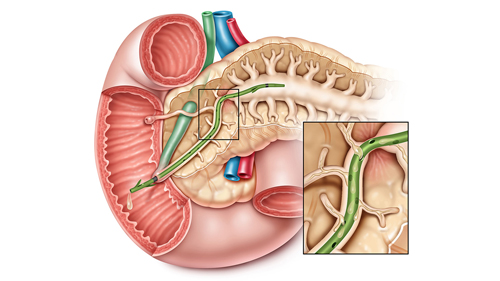
Biliary & Pancreatic Stenting
Biliary and pancreatic stenting is an advanced endoscopic treatment used to help maintain drainage through narrowed or blocked bile ducts and pancreatic ducts.
A small stent is placed across the affected area, usually during ERCP, to create or maintain an open passage for bile or pancreatic secretions. Stenting may be used for selected benign or malignant strictures, ductal leaks and other conditions causing impaired drainage.
The type, size and duration of the stent depend on the location and cause of the ductal problem and the patient's overall clinical condition. Dr. Suresh H. Pasiddhi has documented expertise in biliary and pancreatic stenting as part of his therapeutic ERCP practice.
Conditions
Biliary or pancreatic stenting may be considered for selected ductal conditions, including:
- Bile duct obstruction or narrowing
- Benign biliary strictures
- Malignant biliary obstruction
- Pancreatic duct strictures or obstruction in selected cases
- Biliary or pancreatic duct leaks
- Selected conditions requiring temporary or longer-term ductal drainage
Symptoms
Symptoms of biliary or pancreatic duct obstruction can vary depending on the location and underlying cause. Possible symptoms include:
- Yellowing of the eyes or skin (jaundice)
- Upper abdominal pain or discomfort
- Abdominal pain radiating toward the back
- Dark urine or pale stools
- Fever or chills associated with biliary infection
- Nausea or vomiting
- Abnormal liver or pancreatic blood test results
Causes
Biliary and pancreatic duct obstruction or narrowing can develop due to several conditions. The underlying cause is assessed using clinical evaluation and appropriate imaging or endoscopic investigations.
- Gallstones or retained common bile duct stones
- Benign biliary or pancreatic duct strictures
- Pancreatic or bile duct cancers causing obstruction
- Inflammatory changes associated with pancreatitis or other ductal disease
- Post-surgical or post-procedural ductal narrowing
- Biliary or pancreatic duct leaks
Treatment
Biliary and pancreatic stenting is generally performed endoscopically, most commonly during ERCP. After accessing the duct, a suitable stent is positioned across the narrowed, blocked or leaking segment to improve drainage or support healing.
Depending on the patient's condition, treatment may include:
- Biliary plastic stent placement
- Biliary metal stent placement in selected cases
- Pancreatic duct stent placement
- Stenting across selected biliary or pancreatic strictures
- Stenting for selected ductal leaks
- Stent removal or exchange when required
- Associated ductal dilatation or stone removal when clinically appropriate
The choice of stent and treatment plan depends on the underlying disease, location of the obstruction or leak, previous interventions and the intended duration of drainage.
Prevention & Follow-Up
Regular follow-up is particularly important after biliary or pancreatic stent placement because some stents require planned removal, exchange or reassessment.
Helpful measures include:
- Keep the recommended follow-up appointment for stent assessment.
- Follow the prescribed diet and medication plan.
- Complete recommended blood tests or imaging to assess ductal drainage and treatment response.
- Follow the advised schedule for stent removal or exchange when applicable.
- Report recurrent jaundice, fever, abdominal pain, vomiting or other new symptoms promptly.
- Seek urgent medical attention for severe abdominal pain, high fever, significant bleeding or worsening jaundice.
The duration of stent placement and follow-up schedule are individualized according to the type of stent and the underlying biliary or pancreatic condition.