

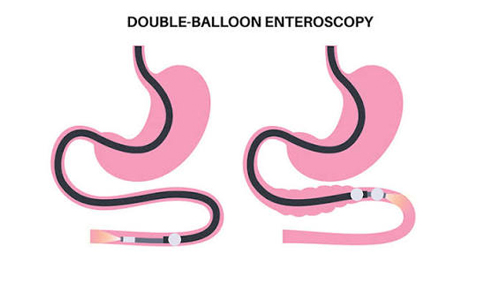
Double-Balloon Enteroscopy
Double-balloon enteroscopy is an advanced endoscopic procedure used to examine the small intestine, an area that is difficult to reach with conventional upper GI endoscopy or colonoscopy.
The procedure uses a specialized enteroscope with an overtube and two balloons to help advance the endoscope deep into the small bowel. It allows direct visualization of the small-intestinal lining and can also provide tissue sampling and selected therapeutic treatment when required.
Double-balloon enteroscopy may be performed through the mouth or through the rectum depending on the suspected location of the abnormality and the clinical objective.
Conditions
Double-balloon enteroscopy may be recommended for selected small-bowel conditions, including:
- Unexplained small-bowel bleeding
- Suspected small-intestinal lesions or abnormalities
- Small-bowel strictures or narrowing requiring evaluation
- Selected polyps, tumors or mucosal abnormalities
- Abnormal findings identified on capsule endoscopy or imaging
- Small-bowel conditions requiring biopsy or endoscopic treatment
Symptoms
Symptoms that may lead to small-bowel evaluation with double-balloon enteroscopy include:
- Unexplained gastrointestinal bleeding
- Black or tarry stools or recurrent blood loss
- Unexplained iron-deficiency anemia
- Persistent abdominal pain
- Unexplained weight loss
- Persistent diarrhea or changes in bowel habits
- Abnormal small-bowel findings on previous investigations
Causes
The small intestine can develop a range of conditions that may require detailed endoscopic assessment. Common reasons for investigation include:
- Small-bowel vascular lesions or sources of bleeding
- Inflammatory conditions affecting the small intestine
- Small-bowel polyps or tumors
- Strictures or other areas of narrowing
- Unexplained abnormalities detected by imaging or capsule endoscopy
- Other suspected small-intestinal disorders requiring direct visualization
Treatment
During double-balloon enteroscopy, the endoscope is advanced through the small intestine using controlled inflation and deflation of the balloons. This technique helps the endoscopist examine portions of the small bowel that are otherwise difficult to access.
Depending on the findings, the procedure may allow:
- Detailed visualization of the small-intestinal lining
- Targeted deep biopsies for pathological evaluation
- Endoscopic treatment of selected bleeding lesions
- Removal of suitable polyps or lesions
- Management of selected small-bowel strictures
- Other targeted therapeutic interventions when clinically appropriate
The route, extent and therapeutic approach are selected according to the suspected location of the lesion, previous test results and the patient's overall clinical condition.
Prevention & Follow-Up
Follow-up after double-balloon enteroscopy depends on the reason for the procedure, the findings and any treatment performed during the examination.
Helpful measures include:
- Follow the preparation and post-procedure instructions provided by your doctor.
- Take prescribed medicines as directed.
- Attend follow-up to review biopsy or pathology results when samples are taken.
- Complete recommended imaging, laboratory tests or repeat endoscopy when advised.
- Report severe or persistent abdominal pain, significant bleeding, fever, repeated vomiting or other concerning symptoms after the procedure.
- Continue treatment and surveillance for the underlying gastrointestinal condition.
Regular follow-up is individualized according to the diagnosis and the findings identified during enteroscopy.