

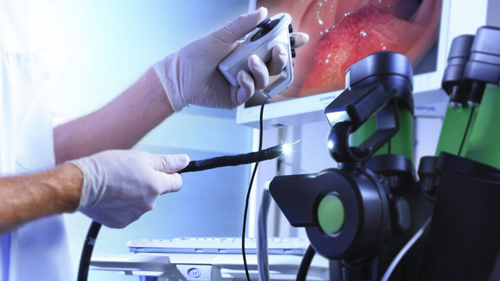
Third-Space Endoscopy
Third-Space Endoscopy is an advanced endoscopic approach that creates access within the layers of the gastrointestinal wall to diagnose or treat selected disorders. These minimally invasive techniques can provide an alternative to conventional surgery in appropriately selected patients.
The procedure uses specialized endoscopic techniques to enter and work within the submucosal space while preserving the surrounding gastrointestinal structures. Depending on the condition, third-space endoscopy may be used to treat disorders involving the esophagus, stomach or other parts of the gastrointestinal tract.
Dr. Suresh H. Pasiddhi has a documented area of interest in Third-Space Endoscopy as part of his advanced endoscopic practice.
Conditions
Third-space endoscopic techniques may be considered for selected gastrointestinal conditions, including:
- Achalasia and selected esophageal motility disorders
- Selected submucosal or gastrointestinal wall lesions
- Disorders requiring access to the submucosal or third space
- Selected gastrointestinal conditions requiring advanced endoscopic intervention
- Conditions where a minimally invasive endoscopic approach may be appropriate
Symptoms
Symptoms depend on the underlying gastrointestinal condition and may include:
Common Symptoms
- Difficulty swallowing or a sensation of food sticking
- Regurgitation of food or liquids
- Chest discomfort or upper abdominal discomfort
- Persistent nausea or vomiting
- Unexplained weight loss
- Symptoms related to a gastrointestinal wall or submucosal lesion
Causes
The conditions that may require third-space endoscopic treatment can have different underlying causes, including:
- Abnormal relaxation or function of the lower esophageal sphincter
- Disorders of gastrointestinal motility
- Submucosal or gastrointestinal wall lesions
- Structural abnormalities involving the gastrointestinal tract
- Other selected conditions requiring advanced endoscopic access or intervention
Treatment
Third-Space Endoscopy is performed using specialized endoscopic techniques under appropriate sedation or anesthesia. The endoscopist creates a controlled entry into the submucosal space and performs the required intervention through this access.
Depending on the condition, advanced endoscopic treatment may include:
- Peroral Endoscopic Myotomy (POEM) for selected achalasia and esophageal motility disorders
- Endoscopic removal or treatment of selected submucosal lesions
- Submucosal tunneling techniques for appropriate gastrointestinal conditions
- Endoscopic access to selected lesions or spaces within the gastrointestinal wall
- Other advanced third-space endoscopic interventions based on the underlying condition
The appropriate procedure depends on the diagnosis, location and characteristics of the lesion or disorder, previous treatment and the patient's overall clinical condition. Careful evaluation is required to determine whether third-space endoscopy is suitable.
Prevention & Follow-Up
Follow-up after third-space endoscopy depends on the procedure performed and the underlying condition being treated.
Helpful measures include:
- Follow the preparation and fasting instructions provided before the procedure.
- Follow prescribed medicines and dietary instructions after treatment.
- Attend scheduled follow-up appointments to assess recovery and treatment response.
- Complete recommended investigations or repeat endoscopy when advised.
- Follow any specific swallowing, diet or activity recommendations provided by the treating team.
- Seek prompt medical attention for severe chest or abdominal pain, fever, persistent vomiting, difficulty swallowing or other concerning symptoms after the procedure.
Regular follow-up helps assess healing, symptom improvement and the long-term response to treatment. Further evaluation or treatment may be recommended depending on the individual condition and procedural findings.