

Sclerotherapy
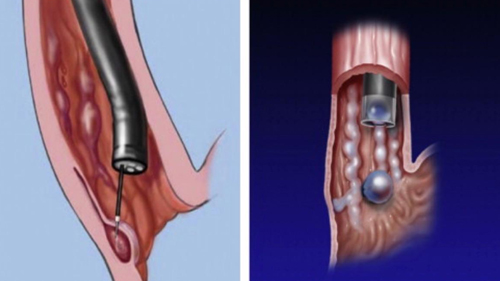
Endoscopic sclerotherapy is an injection-based treatment used to manage selected gastrointestinal bleeding by injecting a sclerosing solution into or around the bleeding vessel or lesion.
The procedure is performed through an endoscope after the source of bleeding has been identified. The injected solution helps promote local control of bleeding, and in selected cases sclerotherapy may be used alone or together with other endoscopic techniques.
Dr. Suresh H. Pasiddhi has documented expertise in sclerotherapy as part of his therapeutic endoscopic practice.
Conditions
Endoscopic sclerotherapy may be considered for selected gastrointestinal bleeding conditions where injection therapy is appropriate, including:
- Selected gastrointestinal bleeding lesions
- Bleeding from suitable blood vessels
- Selected esophageal variceal bleeding
- Bleeding requiring endoscopic injection therapy
- Selected cases where additional endoscopic hemostasis is required
Symptoms
Gastrointestinal bleeding can present with different symptoms. Warning signs that require medical evaluation may include:
- Vomiting blood or blood-stained material
- Black, tarry stools
- Fresh blood in the stool
- Unexplained weakness or fatigue
- Dizziness or light-headedness
- Pale skin or symptoms associated with anemia
- Fainting or severe weakness with significant blood loss
Vomiting blood, black stools or significant blood loss can indicate serious gastrointestinal bleeding and requires urgent medical assessment.
Causes
The underlying cause of gastrointestinal bleeding determines whether sclerotherapy is appropriate. Common causes that may require endoscopic evaluation include:
- Esophageal varices and portal hypertension
- Bleeding ulcers or mucosal lesions
- Selected vascular lesions
- Bleeding from identifiable gastrointestinal lesions
- Other selected sources of gastrointestinal bleeding
Treatment
During endoscopy, the bleeding site is identified and a suitable sclerosing solution is carefully injected into or around the target area to help control bleeding.
Depending on the clinical situation, management may include:
- Endoscopic identification of the bleeding source
- Targeted injection of a sclerosing solution
- Combination with other endoscopic hemostatic techniques when required
- Medicines and supportive treatment based on the underlying cause
- Repeat endoscopic treatment when clinically indicated
- Additional specialist intervention when endoscopic control is not sufficient
The choice of treatment depends on the source, location and severity of bleeding and the patient's overall clinical condition.
Prevention & Follow-Up
Preventing recurrent gastrointestinal bleeding depends on identifying and managing the underlying cause and following the recommended treatment and follow-up plan.
Helpful measures include:
- Follow your gastroenterologist's recommended treatment and follow-up schedule.
- Take prescribed medicines regularly and only as directed.
- Discuss regular or prolonged NSAID use with your doctor, particularly if you have a history of ulcers or gastrointestinal bleeding.
- Follow medical advice for managing liver disease, portal hypertension or other underlying conditions.
- Do not ignore recurrent vomiting of blood, black stools or blood in the stool.
- Attend recommended follow-up after endoscopic treatment.
Follow-up requirements vary according to the underlying condition, severity of bleeding and response to treatment.