

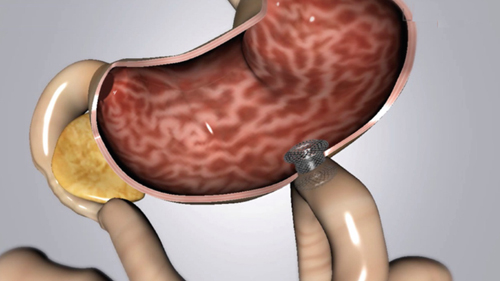
EUS-Guided GJ (Gastrojejunostomy)
EUS-Guided Gastrojejunostomy (EUS-GJ) is an advanced endoscopic procedure that creates a connection between the stomach and the jejunum using endoscopic ultrasound guidance. It helps restore the passage of food in selected patients with gastric outlet obstruction.
The procedure is performed using endoscopic ultrasound to identify the small intestine adjacent to the stomach. A specialized lumen-apposing metal stent (LAMS) is then placed to create a new pathway, allowing food to bypass the obstructed area without the need for open surgery in appropriate cases.
Dr. Suresh H. Pasiddhi has expertise in advanced therapeutic EUS procedures, including EUS-Guided Gastrojejunostomy for selected complex gastrointestinal conditions.
Conditions
EUS-GJ may be considered for selected patients with gastric outlet obstruction or related conditions, including:
- Gastric outlet obstruction caused by benign conditions
- Malignant gastric outlet obstruction
- Duodenal obstruction affecting food passage
- Selected patients unsuitable for immediate surgery
- Recurrent obstruction after previous treatment in appropriate cases
- Complex upper gastrointestinal obstruction requiring advanced endoscopic management
Symptoms
Symptoms of gastric outlet obstruction may include:
Common Symptoms
- Persistent nausea or vomiting after meals
- Difficulty eating or keeping food down
- Upper abdominal fullness or bloating
- Early satiety
- Weight loss
- Dehydration due to repeated vomiting
- Abdominal discomfort
Causes
Gastric outlet obstruction can develop because of several underlying conditions, including:
- Pancreatic cancer causing duodenal compression
- Stomach or duodenal tumors
- Benign duodenal strictures
- Inflammatory narrowing of the upper gastrointestinal tract
- Scarring following previous ulcers or surgery
- Other structural causes affecting the passage of food
Treatment
EUS-Guided Gastrojejunostomy is performed under appropriate sedation or anesthesia using a therapeutic echoendoscope. Endoscopic ultrasound is used to identify the jejunum adjacent to the stomach, and a lumen-apposing metal stent is carefully placed to create a bypass around the obstruction.
Depending on the patient's condition, treatment may include:
- EUS-guided identification of the jejunum
- Creation of a gastrojejunostomy using a lumen-apposing metal stent (LAMS)
- Restoration of food passage by bypassing the obstruction
- Advanced therapeutic EUS for selected gastric outlet obstruction cases
- Follow-up assessment of stent function and symptom improvement
- Additional endoscopic management when clinically appropriate
The decision to perform EUS-GJ depends on the patient's anatomy, the cause of the obstruction, previous treatments and overall clinical condition. The goal is to improve oral intake while minimizing the need for more invasive surgery in appropriately selected patients.
Prevention & Follow-Up
Regular follow-up is important after EUS-GJ to assess symptom relief, nutritional recovery and stent function.
Helpful measures include:
- Follow the dietary progression advised after the procedure.
- Attend scheduled follow-up appointments to assess recovery.
- Complete recommended imaging or endoscopic assessment when advised.
- Take prescribed medicines as directed.
- Maintain adequate hydration and nutrition according to medical advice.
- Seek prompt medical attention for severe abdominal pain, persistent vomiting, fever, bleeding or other concerning symptoms.
The follow-up plan is individualized according to the underlying disease, the type of stent used and the patient's clinical progress. Regular review helps ensure continued stent function and timely management of any complications.