

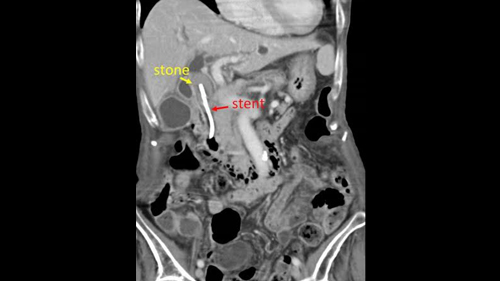
CBD & PD Stone/Stent Removal
CBD & PD Stone/Stent Removal is an advanced endoscopic procedure used to remove selected stones and retrieve, exchange or manage biliary and pancreatic duct stents. These interventions are commonly performed during ERCP to restore ductal drainage and relieve obstruction.
Stones in the common bile duct (CBD) or pancreatic duct (PD), as well as blocked, migrated or scheduled stents, may require endoscopic treatment. Specialized accessories such as balloons and baskets can be used according to the size, location and nature of the obstruction.
Dr. Suresh H. Pasiddhi has documented expertise in biliary and pancreatic therapeutic ERCP, including CBD and PD stone/stent removal and management of complex ductal conditions.
Conditions
CBD and PD stone or stent removal may be considered for conditions such as:
- Common bile duct (CBD) stones
- Pancreatic duct (PD) stones
- Blocked biliary stents
- Blocked pancreatic duct stents
- Displaced or migrated biliary or pancreatic stents
- Stents requiring planned removal or exchange
- Persistent biliary or pancreatic duct obstruction
- Complex ductal conditions requiring advanced ERCP
Symptoms
Symptoms depend on whether the bile duct or pancreatic duct is affected and may include:
Biliary Symptoms
- Upper abdominal or right-sided abdominal pain
- Jaundice or yellowing of the eyes and skin
- Dark urine or pale stools
- Itching related to impaired bile drainage
- Fever or chills when infection is present
- Nausea or vomiting
Pancreatic Symptoms
- Upper abdominal pain, sometimes radiating to the back
- Recurrent episodes of pancreatitis
- Nausea or vomiting
- Persistent or recurrent abdominal discomfort
- Symptoms related to the underlying pancreatic condition
Causes
The need for CBD or PD stone/stent removal can occur due to several underlying conditions, including:
- Gallstones migrating into the common bile duct
- Chronic pancreatitis with pancreatic duct stone formation
- Biliary or pancreatic duct narrowing
- Sludge or debris causing stent blockage
- Stent migration or malfunction
- Underlying diseases requiring continued or repeated ductal drainage
Treatment
CBD and PD stone or stent removal is generally performed using ERCP under appropriate sedation or anesthesia. The endoscope is guided to the opening of the bile or pancreatic duct, allowing specialized instruments to be used for removal or exchange.
Depending on the findings, treatment may include:
- CBD stone extraction using retrieval balloons or baskets
- Pancreatic duct stone removal in selected cases
- Removal of blocked or migrated biliary stents
- Removal of blocked or migrated pancreatic duct stents
- Planned stent exchange or removal
- Endoscopic sphincterotomy when clinically appropriate
- Dilatation of selected narrowed duct segments
- Advanced techniques for difficult stones or complex ductal obstruction
The appropriate technique depends on the stone or stent, duct anatomy, underlying disease, previous procedures and overall clinical condition. Some patients may require staged treatment or more than one ERCP session.
Prevention & Follow-Up
Careful follow-up is important after biliary or pancreatic duct intervention, particularly when a temporary stent has been placed.
Helpful measures include:
- Follow the treatment plan for the underlying biliary or pancreatic condition.
- Keep scheduled appointments for stent removal or exchange.
- Complete recommended blood tests or imaging when advised.
- Follow prescribed medicines and post-procedure dietary instructions.
- Do not delay follow-up when a temporary stent has been placed.
- Seek prompt medical attention for fever, worsening abdominal pain, jaundice, persistent vomiting or other concerning symptoms.
The timing of further treatment or stent management depends on the underlying condition and type of stent used. Regular follow-up helps maintain effective ductal drainage and reduce complications.