

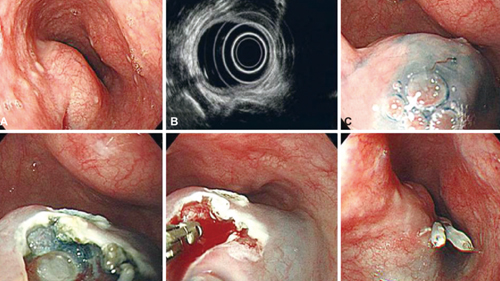
Deep Biopsies
Deep biopsy is an advanced endoscopic sampling technique used to obtain tissue from deeper layers of the gastrointestinal tract when standard superficial biopsies may not provide enough diagnostic information.
During a deep biopsy, specialized endoscopic instruments are used to obtain an adequate tissue sample from a selected gastrointestinal lesion or area of abnormality. The specimen is then sent for detailed pathological evaluation to help determine the nature of the condition.
Deep biopsies may be useful in carefully selected cases where the abnormality appears to involve deeper tissue or where previous routine biopsies have not provided a definitive diagnosis.
Conditions
Deep biopsy may be considered when deeper tissue assessment is required, including selected cases of:
- Subepithelial or deeper gastrointestinal lesions
- Unexplained gastrointestinal wall thickening
- Lesions requiring assessment of deeper tissue layers
- Persistent abnormalities where routine biopsy is inconclusive
- Selected gastrointestinal conditions requiring histopathological diagnosis
Symptoms
Symptoms depend on the underlying gastrointestinal condition being investigated. Possible symptoms that may lead to endoscopic evaluation include:
- Persistent abdominal or upper abdominal discomfort
- Difficulty swallowing
- Unexplained nausea or vomiting
- Unexplained weight loss
- Persistent changes in bowel habits
- Gastrointestinal bleeding or anemia
- Abnormal findings identified during previous endoscopy or imaging
Causes
A deep biopsy is not a disease itself; it is a diagnostic procedure used when a gastrointestinal abnormality requires tissue confirmation or deeper sampling.
- Abnormal tissue detected during endoscopy
- Lesions involving deeper layers of the gastrointestinal wall
- Persistent unexplained gastrointestinal abnormalities
- Inconclusive findings from standard superficial biopsies
- Need to distinguish between different types of gastrointestinal lesions
Treatment
Deep biopsy is performed during endoscopy. The abnormal area is carefully identified and a suitable endoscopic biopsy technique is used to obtain a deeper tissue specimen for laboratory and pathological examination.
Depending on the clinical requirement, the procedure may include:
- Detailed endoscopic assessment of the abnormal area
- Targeted sampling from the relevant gastrointestinal lesion
- Obtaining deeper tissue using specialized biopsy accessories
- Sending the tissue specimen for histopathological evaluation
- Further endoscopic or imaging assessment when required
- Planning appropriate treatment based on the final diagnosis
The depth and number of biopsy samples are individualized according to the appearance and location of the lesion and the diagnostic question being investigated.
Prevention & Follow-Up
Follow-up after a deep biopsy focuses on reviewing the pathology report and determining whether further evaluation or treatment is required.
Helpful measures include:
- Follow the post-endoscopy instructions provided by your doctor.
- Take prescribed medicines as directed.
- Attend follow-up to discuss the biopsy report and diagnosis.
- Complete any recommended repeat endoscopy, imaging or additional tests.
- Report significant bleeding, severe abdominal or chest pain, persistent vomiting or fever after the procedure.
- Continue appropriate treatment and surveillance for the underlying condition.
The next step depends on the biopsy findings and the overall clinical picture. Regular follow-up helps ensure that an appropriate treatment plan is started when needed.