

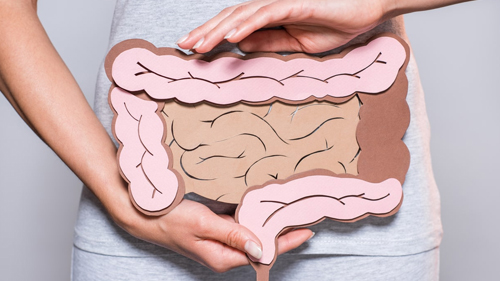
Diagnostic Upper & Lower GI Endoscopy
Diagnostic Upper & Lower GI Endoscopy is a minimally invasive procedure used to examine the digestive tract and identify abnormalities that may be causing gastrointestinal symptoms. Upper GI endoscopy (EGD) allows the doctor to examine the esophagus, stomach and duodenum, while lower GI endoscopy (colonoscopy) examines the rectum and colon.
During these procedures, the doctor can identify abnormalities, take biopsies when required, and in selected cases perform therapeutic procedures during the same session.
Dr. Suresh H. Pasiddhi has expertise in diagnostic upper and lower GI endoscopy, as well as a range of therapeutic endoscopic procedures.
Conditions
Upper and lower GI endoscopy may help evaluate or diagnose a range of gastrointestinal conditions, including:
- Gastroesophageal Reflux Disease (GERD)
- Gastritis and gastropathy
- Peptic ulcers
- Esophagitis
- Esophageal strictures and narrowing
- Gastrointestinal bleeding
- Colon polyps
- Inflammatory bowel diseases
- Diverticular disease
- Abnormal growths or tumors
- Conditions requiring biopsy or tissue evaluation
Symptoms
Your doctor may recommend upper or lower GI endoscopy when you experience persistent, unexplained or concerning digestive symptoms, such as:
Upper GI Symptoms
- Persistent acidity or reflux
- Upper abdominal pain or discomfort
- Difficulty or pain while swallowing
- Persistent nausea or vomiting
- Unexplained weight loss
- Symptoms of gastrointestinal bleeding
- Persistent indigestion
Lower GI Symptoms
- Blood in the stool or rectal bleeding
- Persistent changes in bowel habits
- Chronic diarrhea or constipation
- Unexplained abdominal pain
- Unexplained iron-deficiency anemia
- Unexplained weight loss
Causes
The symptoms that lead to an endoscopic evaluation can have many different causes. Depending on the individual patient, these may include:
- Acid reflux and GERD
- Gastritis or inflammation
- Peptic ulcers
- Gastrointestinal infections
- Esophageal or intestinal narrowing
- Colon polyps
- Inflammatory bowel disease
- Diverticular disease
- Gastrointestinal bleeding
- Abnormal growths or tumors
Treatment
Although diagnostic endoscopy is primarily performed to identify the cause of symptoms, certain abnormalities can also be treated during the procedure.
Depending on the findings, endoscopic treatment may include:
- Biopsy for further examination
- Polyp removal (polypectomy)
- Control of gastrointestinal bleeding
- Hemoclip application
- Dilatation of narrowed areas
- Stent placement in selected conditions
- Foreign body removal
Dr. Pasiddhi's documented endoscopic expertise includes polypectomy, stenting, foreign body removal, hemoclip application, dilatation and other therapeutic interventions.
The appropriate treatment depends entirely on the findings and the patient's individual condition.
Prevention
Not every gastrointestinal condition can be prevented, but maintaining good digestive health and addressing symptoms early can help reduce complications and support timely diagnosis.
Helpful measures include:
- Maintain a balanced, fiber-rich diet where appropriate.
- Stay adequately hydrated.
- Avoid smoking and limit alcohol consumption.
- Maintain a healthy body weight.
- Use painkillers such as NSAIDs only as advised by your doctor, particularly if you have a history of ulcers or GI bleeding.
- Do not ignore persistent digestive symptoms or unexplained bleeding.
- Follow recommended screening and surveillance schedules based on your age, medical history and family history.
- Follow your gastroenterologist's advice if you have a known gastrointestinal condition.
For colorectal cancer prevention, appropriate screening can help detect precancerous polyps, which may be removed during colonoscopy. Screening recommendations depend on individual age and risk factors.