

Impedance Study
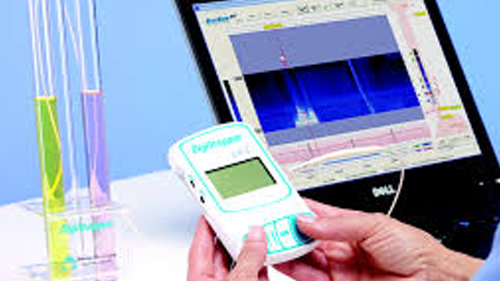
An Impedance Study is an advanced test used to evaluate movement of material through the esophagus and detect reflux episodes, including both acidic and non-acidic reflux. It is commonly performed as part of 24-hour pH-impedance monitoring to provide a more complete assessment of reflux-related symptoms.
Unlike pH monitoring alone, impedance testing can detect the movement of liquid, gas and mixed contents within the esophagus, regardless of their acidity. This can help correlate reflux episodes with symptoms such as heartburn, regurgitation, cough or chest discomfort.
Dr. Suresh H. Pasiddhi has expertise in esophageal functional testing, including 24-hour pH study, esophageal manometry, anorectal manometry, biofeedback and impedance study.
Conditions
Impedance testing may help evaluate patients with symptoms or conditions such as:
- Gastroesophageal Reflux Disease (GERD)
- Persistent reflux symptoms despite treatment
- Non-acid or weakly acidic reflux
- Unexplained regurgitation
- Reflux-related cough or throat symptoms
- Unexplained chest discomfort suspected to be related to reflux
- Assessment of reflux before selected anti-reflux procedures
Symptoms
Your doctor may recommend impedance monitoring when symptoms suggest reflux but the cause is not clear, such as:
Common Symptoms
- Persistent heartburn or burning sensation
- Regurgitation of food or liquid
- Acid taste or sour fluid coming into the mouth
- Persistent cough or throat clearing
- Globus or sensation of something stuck in the throat
- Chest discomfort without a clear cause
- Reflux symptoms despite acid-suppressing treatment
Causes
Symptoms investigated with impedance monitoring may be associated with several factors, including:
- Acidic gastroesophageal reflux
- Weakly acidic or non-acid reflux
- Transient relaxation of the lower esophageal sphincter
- Impaired esophageal clearance
- Esophageal motility or functional disorders
- Reflux episodes that are not adequately identified by conventional pH monitoring alone
Treatment
Impedance monitoring is a diagnostic test rather than a treatment itself. A thin catheter containing multiple sensors is usually passed through the nose into the esophagus and connected to a portable recording device for monitoring over a defined period, commonly 24 hours.
Depending on the clinical question, the study may be combined with pH monitoring to evaluate:
- Frequency and duration of reflux episodes
- Acidic, weakly acidic and non-acid reflux
- Movement of liquid and gas through the esophagus
- Relationship between reflux episodes and recorded symptoms
- Reflux occurring despite acid-suppressing medication
The results can help the gastroenterologist determine whether symptoms are associated with reflux and guide further medical, lifestyle or procedural management.
Prevention & Follow-Up
Preparation and follow-up depend on whether impedance monitoring is being performed alone or together with 24-hour pH monitoring.
Helpful measures include:
- Follow the specific preparation and medication instructions provided before the test.
- Keep a record of meals, symptoms, sleep and relevant activities during the monitoring period when instructed.
- Press the appropriate symptom button on the recording device whenever symptoms occur.
- Return the monitoring equipment as instructed so the recorded data can be analyzed.
- Attend follow-up to discuss the results and recommended treatment.
- Follow lifestyle and dietary advice provided for reflux management when appropriate.
The results are interpreted together with your symptoms, medical history and other test findings. Further evaluation or treatment may be recommended depending on the findings.