

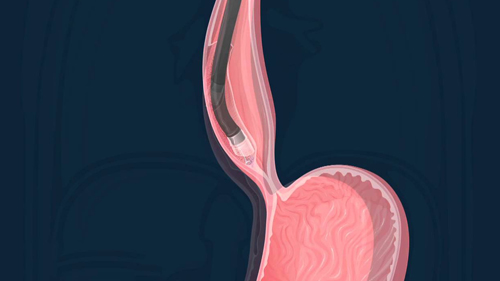
POEM (Peroral Endoscopic Myotomy)
POEM (Peroral Endoscopic Myotomy) is an advanced minimally invasive endoscopic procedure used to treat selected swallowing disorders caused by abnormal relaxation or excessive tightness of the esophageal muscles. It is performed through the mouth using an endoscope, without external surgical incisions.
During POEM, an endoscopic tunnel is created within the wall of the esophagus and the muscles responsible for the obstruction are carefully divided. This can help improve the passage of food and liquids into the stomach in appropriately selected patients.
Dr. Suresh H. Pasiddhi has an interest in advanced endoscopy and third-space endoscopic procedures, including POEM.
Conditions
POEM may be considered for selected swallowing and esophageal motility disorders, including:
- Achalasia
- Selected types of esophageal spastic disorders
- Esophagogastric junction outflow obstruction in appropriately selected cases
- Other selected disorders associated with abnormal esophageal muscle contraction
Symptoms
Patients with conditions that may be treated with POEM can experience symptoms such as:
Common Symptoms
- Difficulty swallowing solid foods or liquids
- Regurgitation of undigested food or liquids
- Chest discomfort or chest pain
- Feeling that food is stuck in the esophagus
- Unintentional weight loss
- Night-time coughing or regurgitation
Causes
The underlying cause of symptoms requiring evaluation for POEM may involve abnormal esophageal muscle function, including:
- Failure of the lower esophageal sphincter to relax normally
- Abnormal contractions of the esophageal muscles
- Disorders of esophageal nerve and muscle coordination
- Motility abnormalities identified through specialized testing such as esophageal manometry
The exact diagnosis and suitability for POEM are determined through clinical assessment and appropriate investigations, which may include endoscopy, barium studies and esophageal manometry.
Treatment
POEM is performed through the mouth using a flexible endoscope, generally under general anesthesia. The procedure involves creating a small entry point in the esophageal lining, developing a submucosal tunnel and carefully dividing the targeted muscle fibers.
Depending on the individual condition, treatment may include:
- Endoscopic creation of a submucosal tunnel in the esophageal wall
- Selective division of the abnormal esophageal muscle fibres
- Tailored myotomy based on the type and extent of the motility disorder
- Endoscopic closure of the entry point after completion of the procedure
- Post-procedure assessment before gradual return to oral intake
The length and extent of the myotomy are individualized according to the underlying motility disorder and findings from pre-procedure evaluation.
Prevention & Follow-Up
POEM is performed for specific esophageal motility disorders, so prevention focuses mainly on early diagnosis, appropriate treatment and long-term follow-up.
Helpful measures include:
- Follow the diet progression advised after the procedure.
- Take prescribed medicines as directed.
- Attend scheduled follow-up appointments to assess swallowing and symptom improvement.
- Complete follow-up investigations when recommended.
- Report persistent or recurrent swallowing difficulty, chest discomfort or regurgitation to your gastroenterologist.
- Follow dietary and lifestyle advice provided for long-term symptom management.
Long-term follow-up helps assess treatment response and identify symptoms such as reflux or recurrent swallowing difficulty that may require further evaluation or management.