

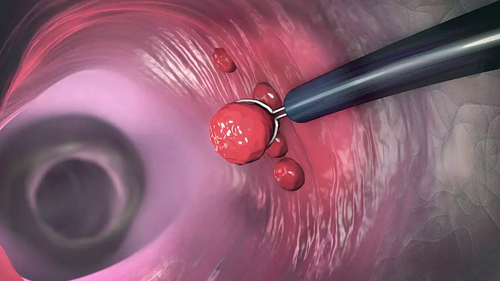
Polypectomy – Endoloop, Hot & Cold
Polypectomy is an endoscopic procedure used to remove polyps from the gastrointestinal tract. Depending on the size, shape, location and characteristics of the polyp, an endoloop, hot snare or cold snare technique may be selected.
Polyps are abnormal tissue growths that may develop along the lining of the digestive tract. During endoscopy, suitable polyps can often be removed and sent for histopathological examination to help determine their nature.
Dr. Suresh H. Pasiddhi has documented expertise in polypectomy using endoloop, hot and cold techniques as part of his therapeutic endoscopic practice.
Conditions
Polypectomy may be recommended when suitable gastrointestinal polyps are identified during endoscopic evaluation, including:
- Gastric polyps
- Duodenal polyps
- Colonic polyps
- Rectal polyps
- Selected larger or stalked gastrointestinal polyps
- Polyps requiring removal for histopathological assessment
Symptoms
Many gastrointestinal polyps do not cause symptoms and may be discovered incidentally during endoscopy or screening. When symptoms occur, they may include:
- Blood in the stool or rectal bleeding
- Black, tarry stools in selected cases
- Changes in bowel habits
- Abdominal discomfort or pain
- Unexplained iron-deficiency anemia
- Unexplained weakness or fatigue associated with blood loss
Because many polyps are asymptomatic, appropriate screening and endoscopic evaluation can help identify them before they cause symptoms or complications.
Causes
Gastrointestinal polyps can develop for different reasons, and their nature can vary from one patient to another. Factors associated with polyp formation may include:
- Age-related changes in the gastrointestinal lining
- Family history of gastrointestinal polyps
- Inherited conditions associated with polyps
- Chronic inflammation of the gastrointestinal tract
- Dietary and lifestyle-related factors
- Previous history of gastrointestinal polyps
The appearance of a polyp alone cannot always determine whether it is benign or precancerous. Histopathological examination may be required after removal.
Treatment
During endoscopy, the gastroenterologist evaluates the polyp and selects the appropriate removal technique based on its size, shape, location and other characteristics.
Polypectomy techniques may include:
- Cold Snare Polypectomy: Removal of suitable polyps using a snare without applying electrocautery.
- Hot Snare Polypectomy: Removal of selected polyps using a snare with controlled electrocautery.
- Endoloop-Assisted Polypectomy: Placement of a detachable loop around suitable stalked polyps to assist with safe removal and bleeding control.
- Collection of the removed tissue for histopathological examination
- Endoscopic hemostasis when required
The most appropriate technique is selected according to the individual polyp and the patient's clinical circumstances.
Prevention & Follow-Up
Not all gastrointestinal polyps can be prevented. However, appropriate screening, removal of suitable polyps and follow-up can help reduce the risk of complications and identify new polyps at an early stage.
Helpful measures include:
- Follow recommended colorectal cancer screening based on your age and individual risk.
- Attend follow-up colonoscopy or endoscopy when advised.
- Inform your doctor about a personal or family history of gastrointestinal polyps.
- Maintain a balanced diet and healthy lifestyle.
- Do not ignore rectal bleeding, blood in the stool or persistent changes in bowel habits.
- Follow your gastroenterologist's recommendations after polyp removal.
Follow-up timing depends on the number, size, type and histopathological findings of the removed polyps and the patient's individual risk factors.