

Capsule Endoscopy
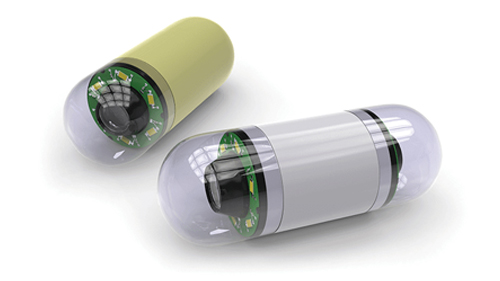
Capsule endoscopy is a minimally invasive diagnostic procedure that uses a small, swallowable camera capsule to capture detailed images of the digestive tract, particularly areas of the small intestine that are difficult to reach with conventional endoscopy.
The capsule passes naturally through the gastrointestinal tract while its camera records images for detailed review. It can help evaluate the small-bowel lining and identify abnormalities that may not be detected by routine upper GI endoscopy or colonoscopy.
Capsule endoscopy is primarily a diagnostic examination. When an abnormality is identified, further endoscopic evaluation or treatment may be recommended depending on the findings.
Conditions
Capsule endoscopy may be recommended for selected gastrointestinal conditions, including:
- Unexplained small-bowel bleeding
- Iron-deficiency anemia with no clear source
- Suspected small-bowel inflammation
- Selected small-intestinal polyps or tumors
- Abnormalities suspected from previous investigations
- Other small-bowel conditions requiring detailed mucosal evaluation
Symptoms
Symptoms or findings that may lead to capsule endoscopy include:
- Unexplained gastrointestinal bleeding
- Black or tarry stools or recurrent blood loss
- Unexplained iron-deficiency anemia
- Persistent or recurrent abdominal pain
- Unexplained weight loss
- Persistent diarrhea or other changes in bowel habits
- Abnormal findings on previous endoscopy or imaging
Causes
Capsule endoscopy is used to investigate suspected abnormalities of the small intestine. These may arise from several conditions, including:
- Small-bowel vascular lesions causing bleeding
- Inflammatory conditions affecting the small intestine
- Small-intestinal polyps or tumors
- Ulceration or mucosal abnormalities
- Unexplained small-bowel abnormalities after routine investigations
- Other suspected disorders requiring detailed small-bowel visualization
Treatment
For capsule endoscopy, the patient swallows a small camera capsule. As it moves naturally through the digestive tract, it captures images that are transmitted to a recording device for detailed review by the gastroenterologist.
The procedure may involve:
- Pre-procedure assessment and review of the indication for capsule endoscopy
- Preparation of the gastrointestinal tract as advised
- Swallowing the capsule containing a miniature camera
- Recording and review of images captured throughout its passage
- Detailed assessment of the small-intestinal mucosa
- Further enteroscopy, imaging or other treatment when an abnormality requires direct intervention
Before capsule endoscopy, your doctor may assess whether the capsule can safely pass through the gastrointestinal tract, particularly when narrowing or obstruction is suspected.
Prevention & Follow-Up
Follow-up after capsule endoscopy focuses on reviewing the recorded images and deciding whether any further investigation or treatment is required.
Helpful measures include:
- Follow the preparation and dietary instructions provided before the procedure.
- Follow your doctor's instructions regarding eating, drinking and medications on the day of the examination.
- Attend follow-up to discuss the capsule endoscopy findings.
- Complete recommended blood tests, imaging or enteroscopy when advised.
- Report significant abdominal pain, persistent vomiting or symptoms suggesting difficulty with capsule passage.
- Continue appropriate treatment and surveillance for the underlying gastrointestinal condition.
Further management depends on the capsule findings and the underlying condition. If a lesion requiring treatment is identified, an appropriate therapeutic procedure may be recommended.