

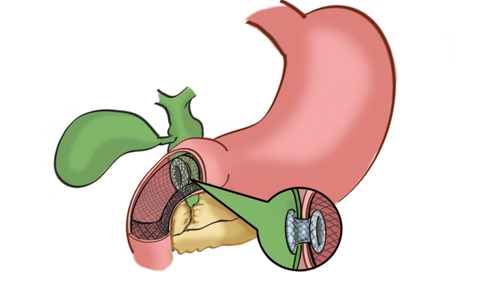
CBD Metal Stenting
CBD Metal Stenting is an advanced endoscopic treatment used to maintain bile flow when the common bile duct is significantly narrowed or blocked. A self-expanding metal stent is placed during ERCP to help restore and maintain biliary drainage in selected patients.
The common bile duct carries bile from the liver and gallbladder into the intestine. When the duct becomes narrowed or obstructed, bile can build up and cause jaundice, infection, itching and other complications. In appropriate cases, a metal stent can provide a wider and longer-lasting pathway for bile drainage.
Dr. Suresh H. Pasiddhi has expertise in biliary therapeutic ERCP, including CBD metal stenting for selected complex biliary obstructions.
Conditions
CBD metal stenting may be considered for selected conditions causing significant biliary obstruction, including:
- Malignant biliary obstruction
- Bile duct strictures and narrowing
- Selected benign biliary strictures
- Persistent or recurrent common bile duct obstruction
- Complex biliary obstruction requiring longer-term drainage
- Biliary obstruction where adequate drainage cannot be maintained with simpler measures
Symptoms
Biliary obstruction may cause symptoms such as:
Common Symptoms
- Yellowing of the skin or eyes (jaundice)
- Dark urine and pale stools
- Itching related to impaired bile drainage
- Upper abdominal pain or discomfort
- Fever or chills when biliary infection is present
- Nausea or vomiting
- Loss of appetite or general weakness
Causes
CBD obstruction requiring metal stenting can occur due to several underlying conditions, including:
- Cancers involving the bile duct, pancreas, gallbladder or nearby structures
- Benign bile duct strictures following surgery, inflammation or previous biliary procedures
- Chronic inflammatory or pancreatic conditions causing bile duct narrowing
- Complex biliary strictures requiring advanced endoscopic drainage
- Persistent obstruction where adequate bile drainage needs to be maintained
Treatment
CBD metal stenting is generally performed using ERCP under appropriate sedation or anesthesia. A specialized endoscope is guided to the opening of the bile duct, the obstruction is assessed and the metal stent is positioned across the narrowed segment to allow bile to drain into the intestine.
Depending on the findings, endoscopic treatment may include:
- Placement of a self-expanding metal stent across the biliary obstruction
- Selection of appropriate stent size and design based on the location and nature of the stricture
- Fluoroscopic guidance to confirm accurate stent positioning
- Restoration and maintenance of biliary drainage
- Management of complex biliary obstruction using advanced ERCP techniques
- Follow-up assessment of stent function and the underlying condition
The choice of stent and treatment approach depends on the cause and location of the obstruction, the patient's clinical condition and the overall treatment plan. Further endoscopic or other treatment may be required depending on the underlying disease.
Prevention & Follow-Up
Regular follow-up is important after CBD metal stenting to monitor bile drainage, stent function and the underlying condition.
Helpful measures include:
- Follow the recommended treatment plan for the underlying biliary or pancreatic condition.
- Attend scheduled follow-up appointments to assess stent function.
- Complete recommended blood tests or imaging when advised.
- Take prescribed medicines as directed and follow dietary advice provided after the procedure.
- Follow the gastroenterologist's advice regarding further stent management or intervention.
- Seek prompt medical attention for fever, worsening abdominal pain, recurrent jaundice, persistent vomiting or other concerning symptoms.
The need for further intervention depends on the type of stent, the underlying disease and the patient's response to treatment. Continued follow-up helps ensure effective biliary drainage and timely management of any stent-related concerns.